

Executive Summary
Remote internet connectivity remains a significant challenge for users in areas with limited or no cellular coverage. The Starlink Mini represents a new solution in the portable satellite internet market, offering high-speed connectivity in a compact, backpack-portable form factor. This starlink mini review provides a detailed assessment of the device’s performance, capabilities, and value proposition for various use cases.

Product Overview
Technical Specifications
- Dimensions: 11.7″ × 10.2″
- Weight: 2.2 lbs (unit only); 6 lbs (with kickstand and cables)
- Connectivity: Integrated Wi-Fi 5 router
- Power Input: DC via USB-C compatible connection
- Power Consumption: 25-40 watts average
Installation and Setup
The Starlink Mini features a streamlined installation process that can be completed in approximately five minutes. The integrated router design eliminates the need for separate networking equipment or complex cable routing. Users download the companion mobile application, which utilizes the device’s camera to identify potential obstructions in the satellite field of view, ensuring optimal placement and performance.
Performance Analysis
Power Efficiency
One of the most significant advantages of the Starlink Mini is its power efficiency. Drawing between 25-40 watts during operation, the device consumes approximately 60-70% less power than the standard Starlink dish, which typically requires 75-100 watts. This efficiency enables extended operation from portable power stations without requiring fuel-powered generators.
Recommended Power Configuration
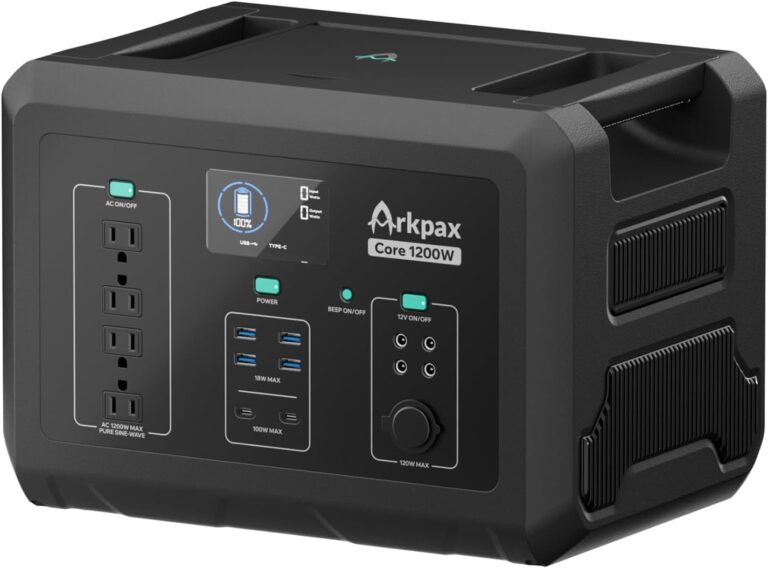
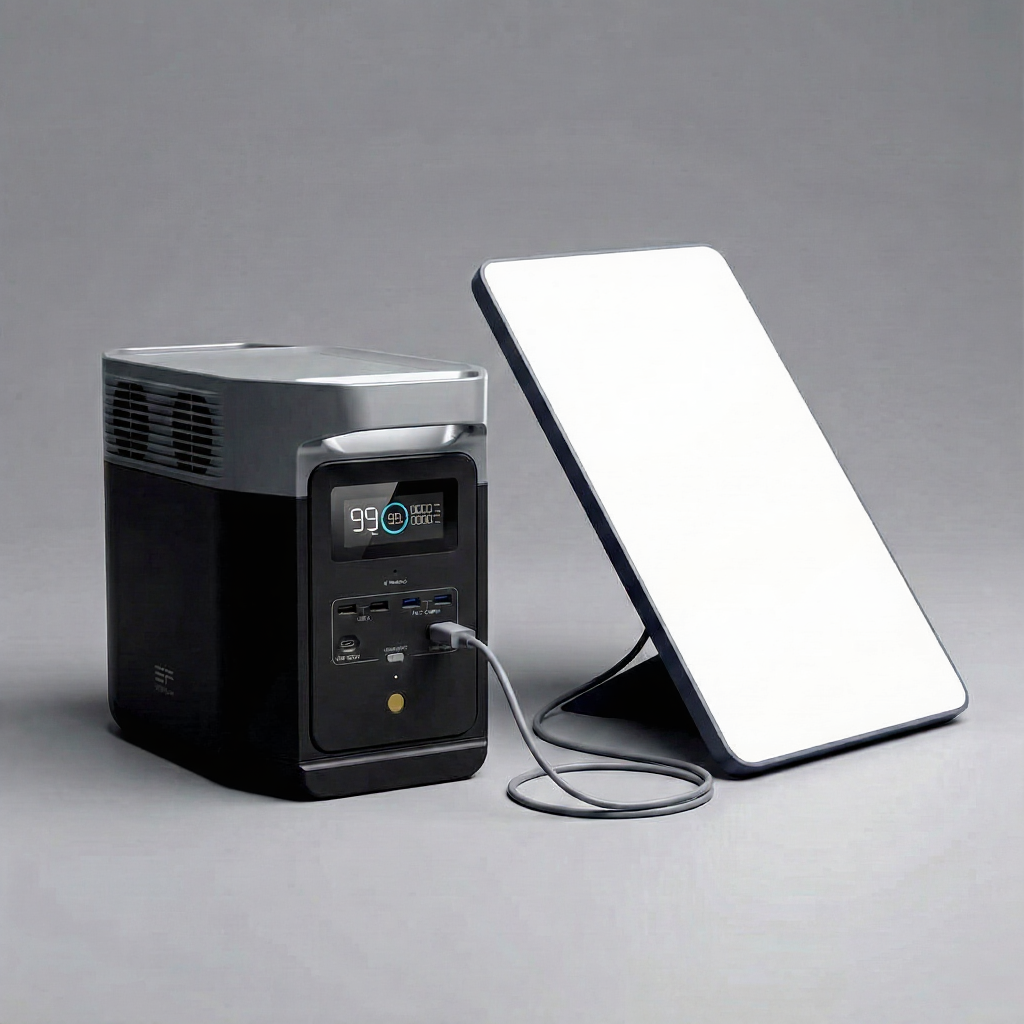
For users seeking a completely portable solution, pairing the Starlink Mini with a mid-capacity portable power station (300-500Wh range) provides 5-8 hours of continuous operation. Optional USB-C to barrel jack cables enable direct connection to USB power ports on compatible battery systems.
Network Performance Metrics
Testing conducted across various locations yielded consistent results:
- Download speeds: 50-100 Mbps
- Latency: 30-50ms
- Concurrent usage: Successfully supports HD video streaming, video conferencing, and standard web browsing simultaneously
While these speeds do not match fiber-optic home internet connections, they exceed requirements for most remote work and entertainment applications.
Operational Considerations
Line-of-Sight Requirements
The primary limitation of the Starlink Mini is its requirement for unobstructed views of the sky. Dense tree canopy or significant overhead obstacles can result in service interruptions. Users should carefully assess their typical usage environments when considering this device.
Cost Analysis (2025)
Initial Investment
- Hardware: $599 MSRP
Service Plans
- Roam 50GB Plan: $50/month (50GB data allowance)
- Unlimited Plan: $150/month
The service can be paused during periods of non-use, allowing users to avoid paying for service during months when the device is not deployed.
Comparative Analysis: Mini vs. Standard Starlink
| Feature | Starlink Mini | Standard Starlink |
|---|---|---|
| Hardware Cost | $599 | $299-$499 |
| Monthly Service | $50-$150 | $150 |
| Power Draw | ~30W | ~75W |
| Form Factor | Backpack-portable | Larger, case-size |
| Router | Integrated | Separate unit |
Selection Guidance: The Standard Starlink is more appropriate for stationary installations with high bandwidth requirements and existing power infrastructure. The Mini is optimized for mobile users prioritizing portability and power efficiency over maximum throughput.
Target User Profiles
Mobile Professionals
Remote workers requiring reliable connectivity in non-traditional work environments will find the portability and performance adequate for video conferencing, cloud application access, and standard business operations.
Recreational Vehicle Users
The device provides connectivity for travelers in remote locations, enabling communication, navigation, and entertainment services where terrestrial networks are unavailable.
Event Attendees
In venues where cellular networks become congested due to high user density, the Starlink Mini provides a dedicated connection independent of local infrastructure.
Conclusion
The Starlink Mini addresses a specific market segment: users who require reliable, high-speed internet connectivity in mobile or remote scenarios where traditional infrastructure is unavailable or inadequate. The device’s power efficiency and backpack compact form factor represent significant engineering improvements over previous portable satellite internet solutions.
For users whose primary internet needs are met by fixed terrestrial services, the investment may not be justified. However, for individuals who regularly operate in remote environments or require backup connectivity solutions, the Starlink Mini represents a capable and practical option.
The combination of adequate performance, genuine portability, and flexible service plans makes the Starlink Mini a noteworthy addition to the portable connectivity market.
About the Author